
Chapters.
Six short cuts from the session, one topic each. 01–03 are open and load from YouTube; 04–06 unlock with the form above.
Why distribution grids need state estimation
You cannot measure every bus of a distribution grid. Gabriel Pino explains how Network State Estimation fills the gaps, with a confidence level for every estimate.
NSE + DLR: the current on lines you don’t measure
Dynamic Line Rating needs the current on every conductor. NSE provides the most probable value, and its confidence, where there is no sensor.
Finding non-technical losses
A Central American DSO compares estimated energy per bus with billed energy to flag likely losses, and one current measurement per zone cuts the error by more than half.
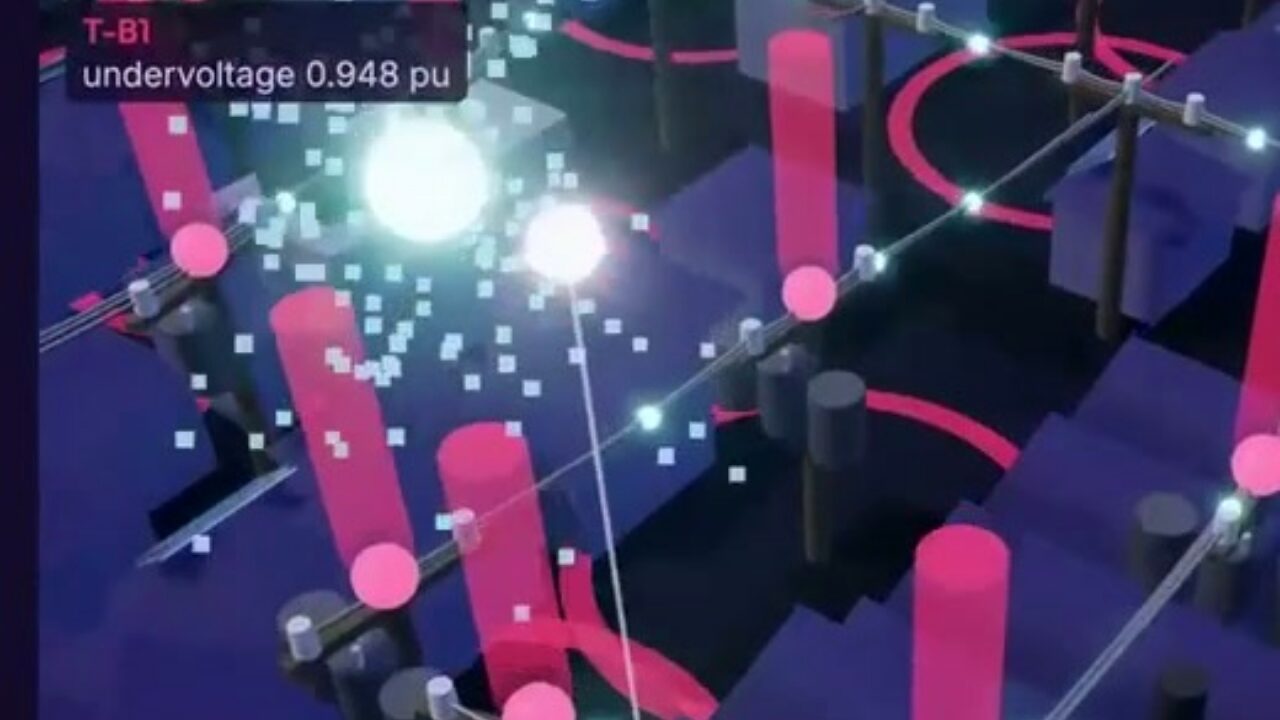
Undervoltage on a rural feeder with zero sensors
A South American rural feeder with no measurements along it: NSE still detects when voltage drops below the limit.
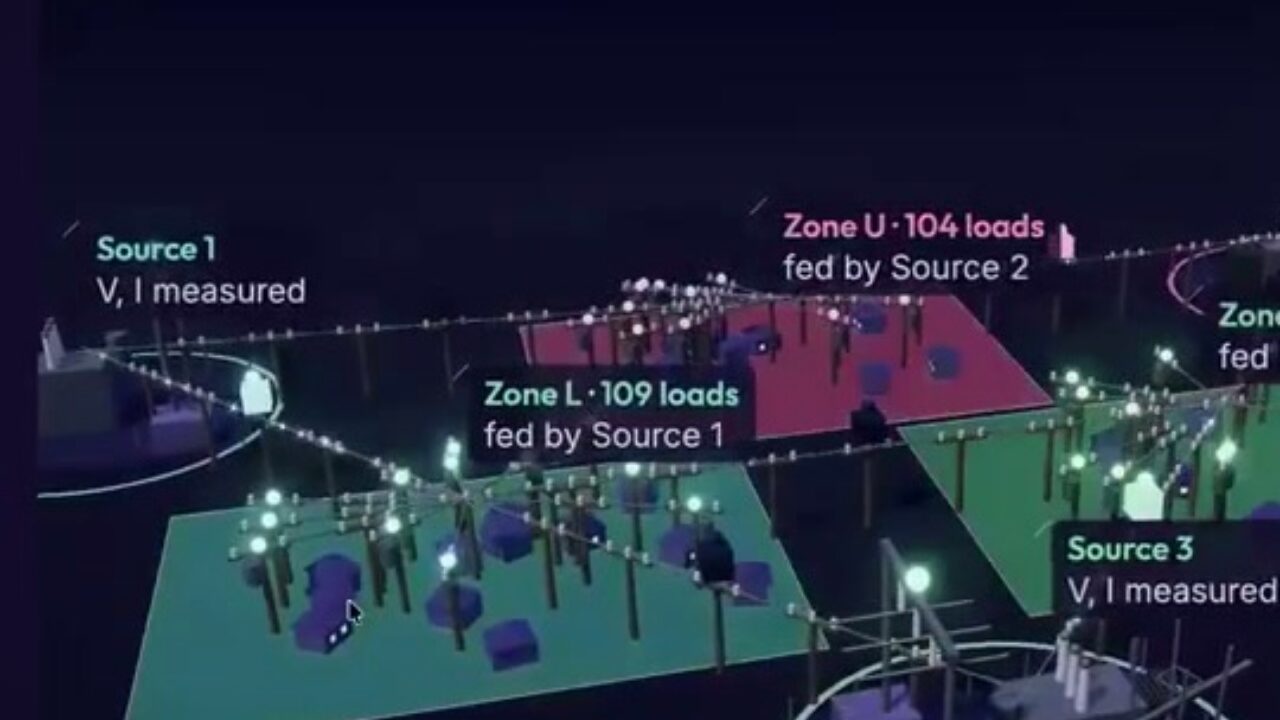
Reverse power flow and topology estimation
Distributed generation reverses flows and protection settings lag behind. When reclosers act, NSE tells the operator which switching state the grid is really in.
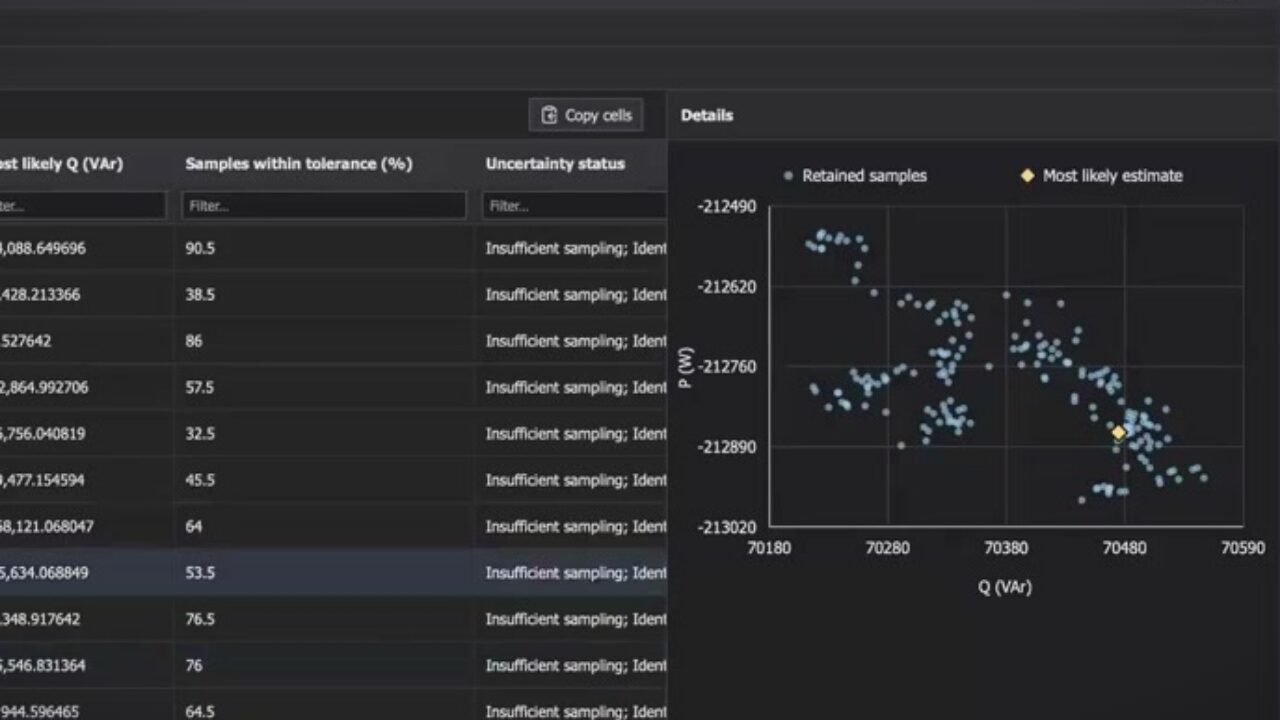
Live demo: a 333-node feeder with one current measurement
The estimation result on a large unbalanced feeder: confidence clouds per bus, tap positions, the one feasible topology and the error against the ground truth.
 Gabriel PinoCTO & Co-founder, Enline
Leads the development of Enline's digital-twin technology for power grids. A power-systems engineer by training, he drives the platform work across state estimation, dynamic line rating and real-time grid monitoring, now deployed with TSOs and DSOs worldwide.
Unlock the full session ↑